
Main Types of Springs And Their Diferences
There are three primary categories of helical springs, plus other designs:
Compression Springs
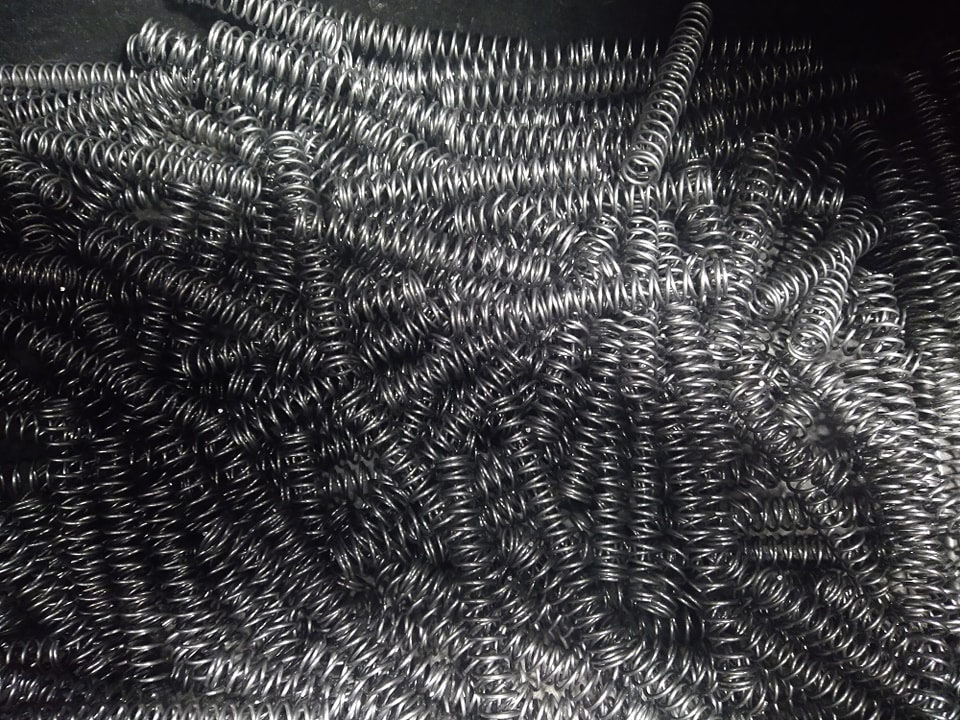
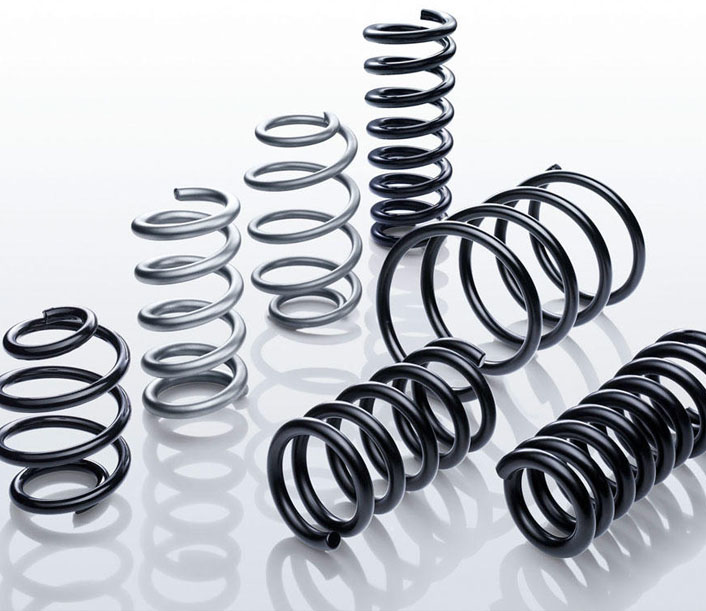
The most common type. These open-coil springs resist compressive (pushing) forces. They shorten when loaded and push back when released.
Common uses: Vehicle suspensions, shock absorbers, ballpoint pens, mattresses, and valves.
Variations include conical, barrel, and variable-rate springs.
Extension (Tension) Springs
These tightly wound coils resist pulling forces. They have hooks or loops at the ends. When stretched, they store energy and pull components back together.
Common uses: Garage doors, trampolines, clothespins, and farm machinery.
Key difference from compression: Coils are usually closed or touching when unloaded.
Torsion Springs
These twist around an axis to provide rotational force (torque). They store energy when twisted and return to position.
Common uses: Door hinges, mousetraps, clothespins, and automotive components.
Difference: They work with angular movement rather than linear push/pull.
The Ultimate Guide to Springs
How They Work, Uses, and More
Discover everything about springs—from compression, extension, and torsion types to how they work, common uses in everyday life, materials, and manufacturing. Learn why these simple devices power so much of modern technology.
Springs are everywhere, yet most people rarely notice them. These ingenious mechanical devices store and release energy, absorb shocks, and provide controlled force in countless applications. Whether it's the suspension in your car, the retractable pen in your hand, or the mechanism in your garage door, springs make modern life smoother, safer, and more efficient.
In this comprehensive guide, we'll explore the different types of springs, how they work according to physics principles, their everyday and industrial uses, materials, manufacturing process, and fascinating history.
Types Of Compression Springs
Industries That Benefit Most from Custom Compression Springs
Custom springs are essential in:
Automotive components
Aerospace assemblies
Medical devices
Industrial machinery
Electronics and battery contacts
Each of these industries demands precision, reliability, and compliance — all areas where custom springs excel.